Pediatric Biopsychology Research Core
The Pediatric Biopsychological (PB) Research Core conducts scientific, evidenced-based assessment of pediatric mental health and the collection and use of biospecimens.
Accurate assessment of mental health in pediatric research includes navigating developmental changes across common domains that underpin mental health disorders while integrating data from multi-method and multi-informant assessments. The PB Research Core offers investigators individualized guidance for navigating these issues within the scope of mental health research focused on children and adolescents.
Resources: Services, Equipment, and Lab
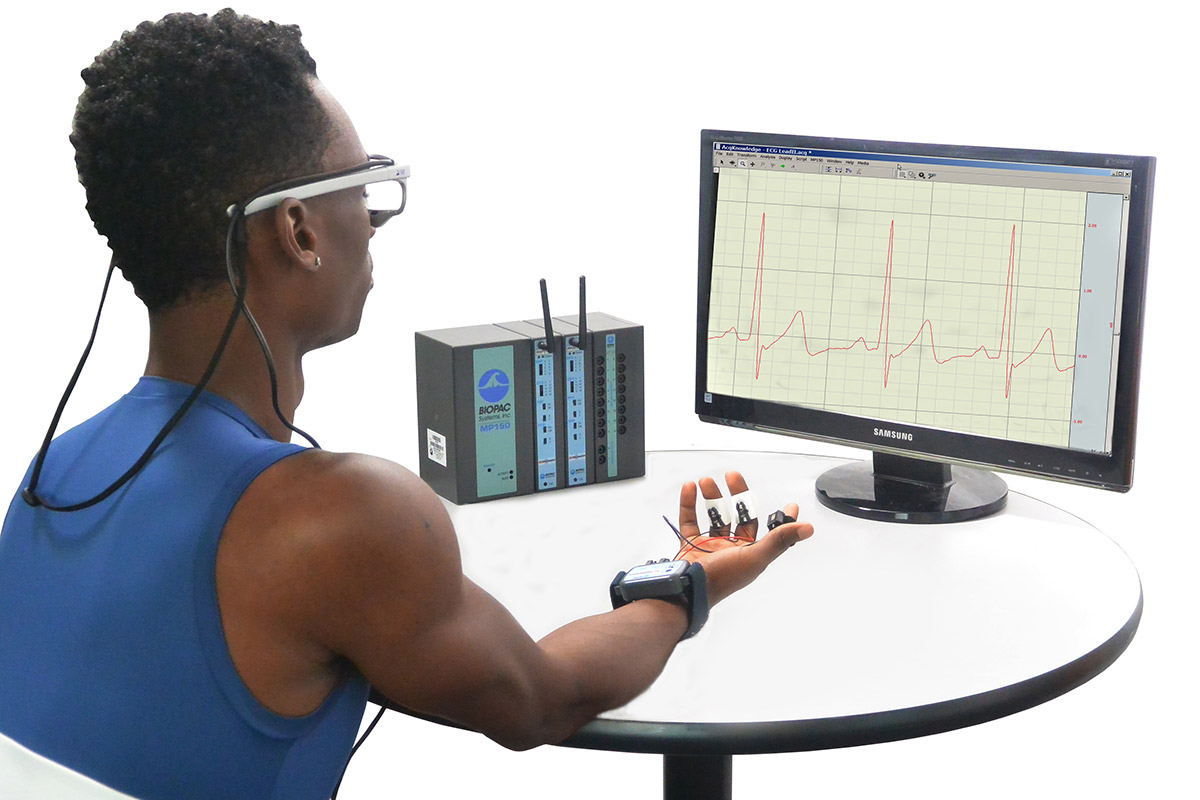
Assessments of Mental Health and Sleep
- Mental health surveys and questionnaires available in English and Spanish
- Utilization of REDCap
- A standardized variable naming system
- Validated and reliable measures for children and adolescents
- Training & support:
- Diagnostic Interviews
- WASI-II Intelligence Scale
- Electronic Medical Record Systems (EMR) including conducting retrospective chart reviews
- Technology resource repository for:
- Scheduling
- Research Recruitment
- Data analysis technologies
- Delivering sleep diaries

- Consultations for technology-based assessment methods:
- Web and mobile application-based symptom monitoring
- Designing technology-based assessment protocols
- Addressing functional requirements for technology-based systems
- Managing and merging data generated by technology-based systems
- Ethical technology-based research practices
- Catalogue of trusted technology vendors
- Assistance with use of technology in IRB applications
- Conducting completely remote assessment protocols
- Writing technology-based methods into a grant application

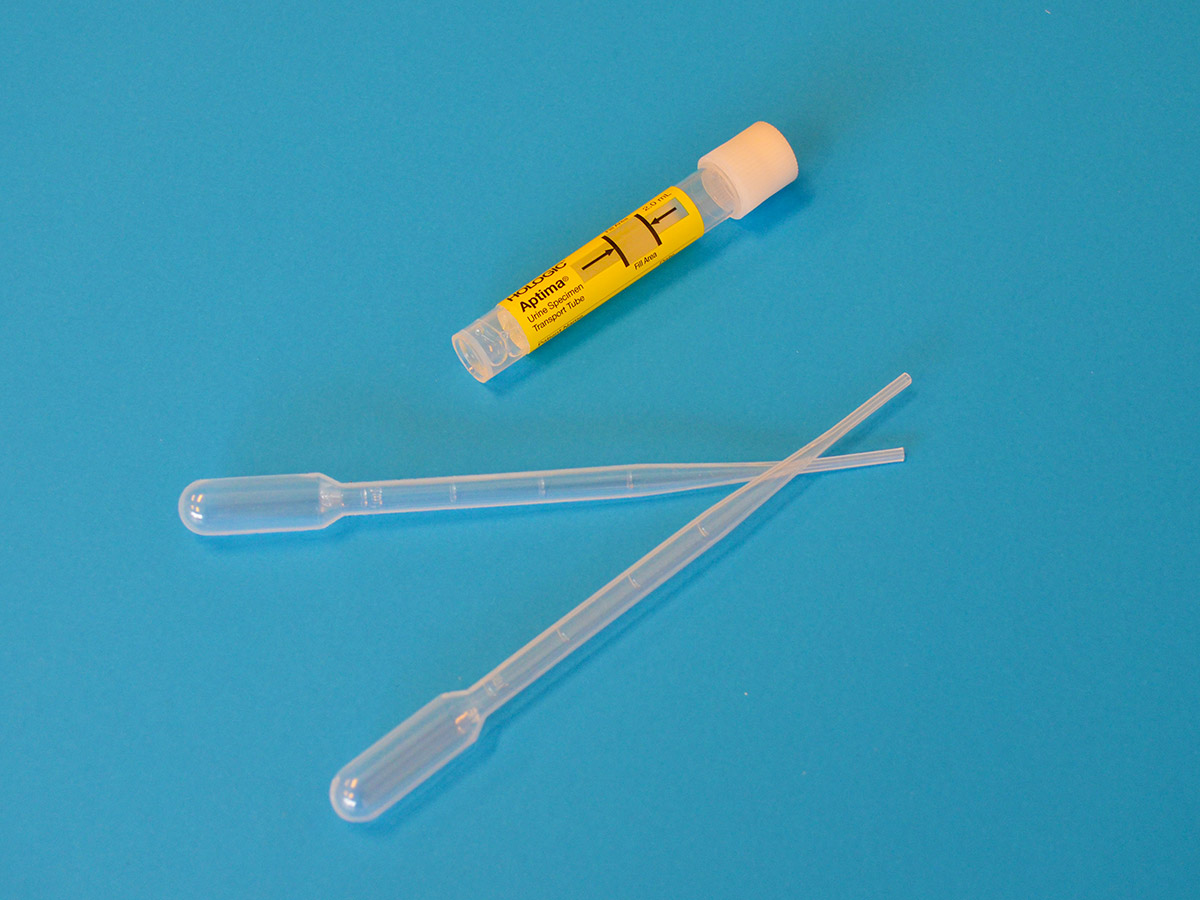
Biospecimens Collection and Analysis

- Resources and consultations:
- Collection
- Storage
- Processing
- Biospecimen services include:
- Logistical support
- Technical support
The PB Research Core biospecimens include (but are not limited to) use of saliva, blood, and stool samples to assess hormone levels, immune markers, genetic variation, epigenetic variation, and microbiome characterization.